Think Like A Futurist
Tools to strengthen your perception, expand your imagination, and build the future.
Innovation doesn't come from logic alone. Some of our most original ideas emerge when we allow ourselves to explore what cannot yet be seen, imagine new realities, and perceive something that doesn’t exist yet.
These ways of sensing and imagining are not reserved for a select few. By becoming more aware of our own perceptions, recognising patterns, following ideas, and paying closer attention to the world around us, we can become better equipped to navigate uncertainty and build what comes next.
Below is a collection of exercises designed to help develop these skills you’ll need as you navigate your founder’s journey.
Exercise One:
Meet Your Future Self
The version of you who has already achieved what you're working towards can offer a different perspective on the path ahead. Rather than trying to work everything out from where you are now, this exercise is about connecting with that future version of yourself and thinking about things from their perspective. You'll picture them clearly, then write directly in their voice, letting them tell you how they actually got there.
Exercise Two:
The Connection Within
Before you can trust your own instincts, you need to actually be able to hear them. This exercise is a simple grounding practice designed to quiet the external noise and relax your nervous system, so you can start to notice what your mind and body are already telling you. It walks you through relaxing your body, settling your thoughts, and paying attention to whatever comes up, whether that's a feeling, an image, or just a sense of knowing.
Exercise Three:
Reading Your Own Patterns
Your own life is full of clues about where you're headed and what still needs working through. This exercise is about tracking your ideas, memories, and experiences over time, so you can start to see the patterns that are already guiding you. You'll build two simple habits: noting down ideas as they come to you, and going back through your own memories, year by year, to notice what keeps resurfacing.
Exercise Four:
Building The Vision
Knowing what you're actually working towards makes every decision along the way easier. This exercise is about building a clear picture of your end goal, and starting to live small parts of that vision today. You'll create that picture, whether through a vision board or simply picturing it clearly, then choose one small decision each day to make the way that future version of you would.
Exercise Five:
Finding Your Inner Compass
Your body often knows the answer before your mind has finished weighing it up. This exercise is about learning what a true yes and no actually feel like for you, so you can use that as a guide when you're stuck. You'll build a baseline for each sensation, then practise applying it to real decisions, starting small before working up to bigger ones.
Exercise Six:
Feeling Into The Idea
Your idea can tell you more than you'd expect if you know how to listen to it. This exercise is about applying the same connection practice directly to whatever you're working on and noticing what comes up. You'll ground yourself, then feel into the idea itself, paying attention to any images, feelings, or sense of clarity that surfaces.
Exercise Seven:
Asking The Right Questions
The quality of the answers you get usually comes down to the quality of the questions you're asking. This exercise is about refining how you ask about decisions, timing, and the people involved in your idea, so you get clearer, more useful responses. It also introduces a simple test for spotting the beliefs that might be slowing you down.
Exercise Eight:
Signs From The World
Insight doesn't only show up in stillness, sometimes it's already around you if you know how to notice it. This exercise covers simple daily habits, like automatic journalling and paying attention to what stands out, that help you catch these insights. You'll set an intention before sleep, write freely each morning, and carry a notebook for anything that catches your eye through the day.
Exercise Nine:
Following The Flow
The fastest way forward is often just following what truly lights you up, even when it doesn't seem to make any sense yet. This exercise is about using everything you've learned so far responsibly, and letting your own excitement guide your next step. It's a reminder to trust the process, act on what excites you, and let the rest unfold in its own time.
And if in doubt, return to the basics: Breath, food, water, sleep. Then make sure your space feels good, you look good, and you’ve created something for the fun of it.
The Series of Five
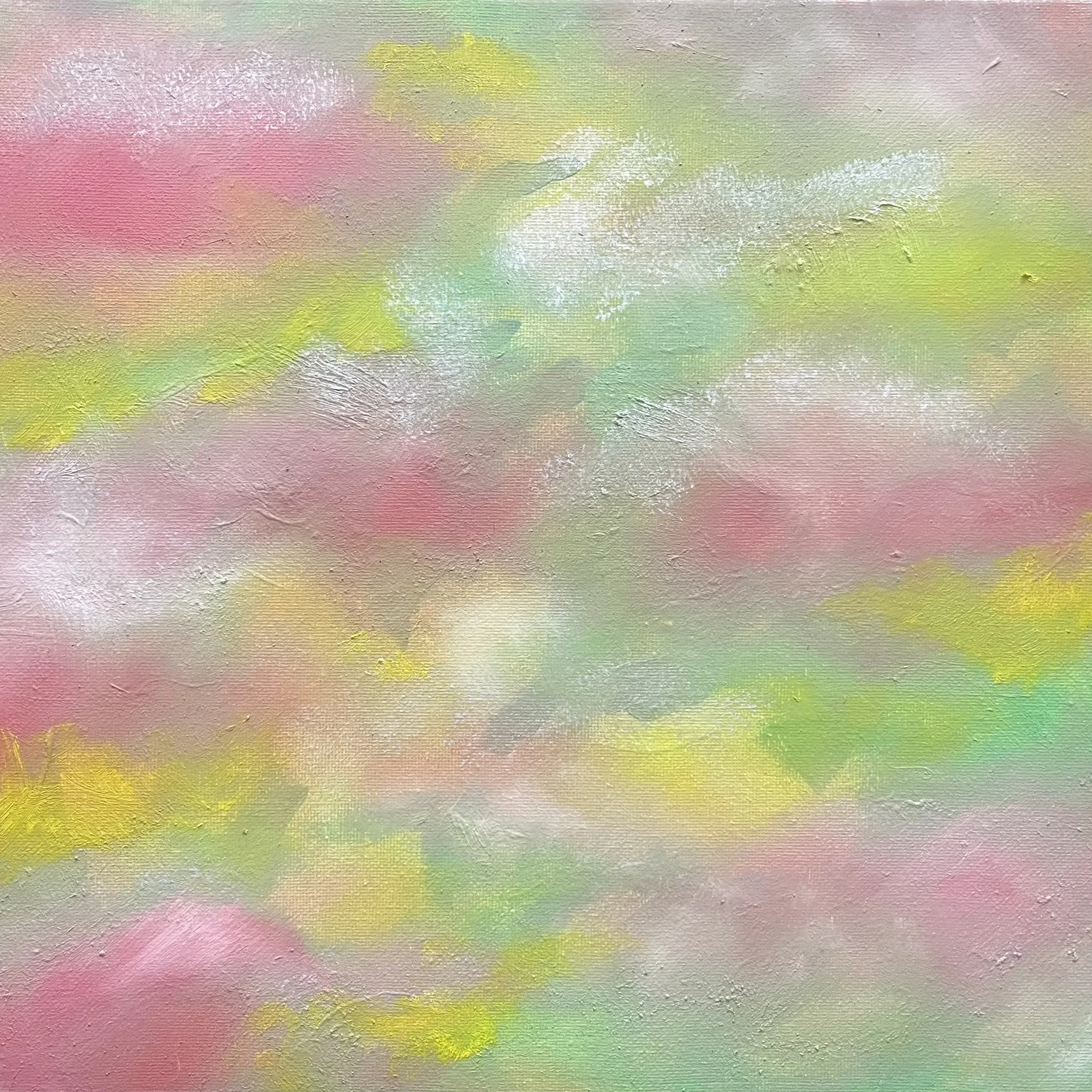
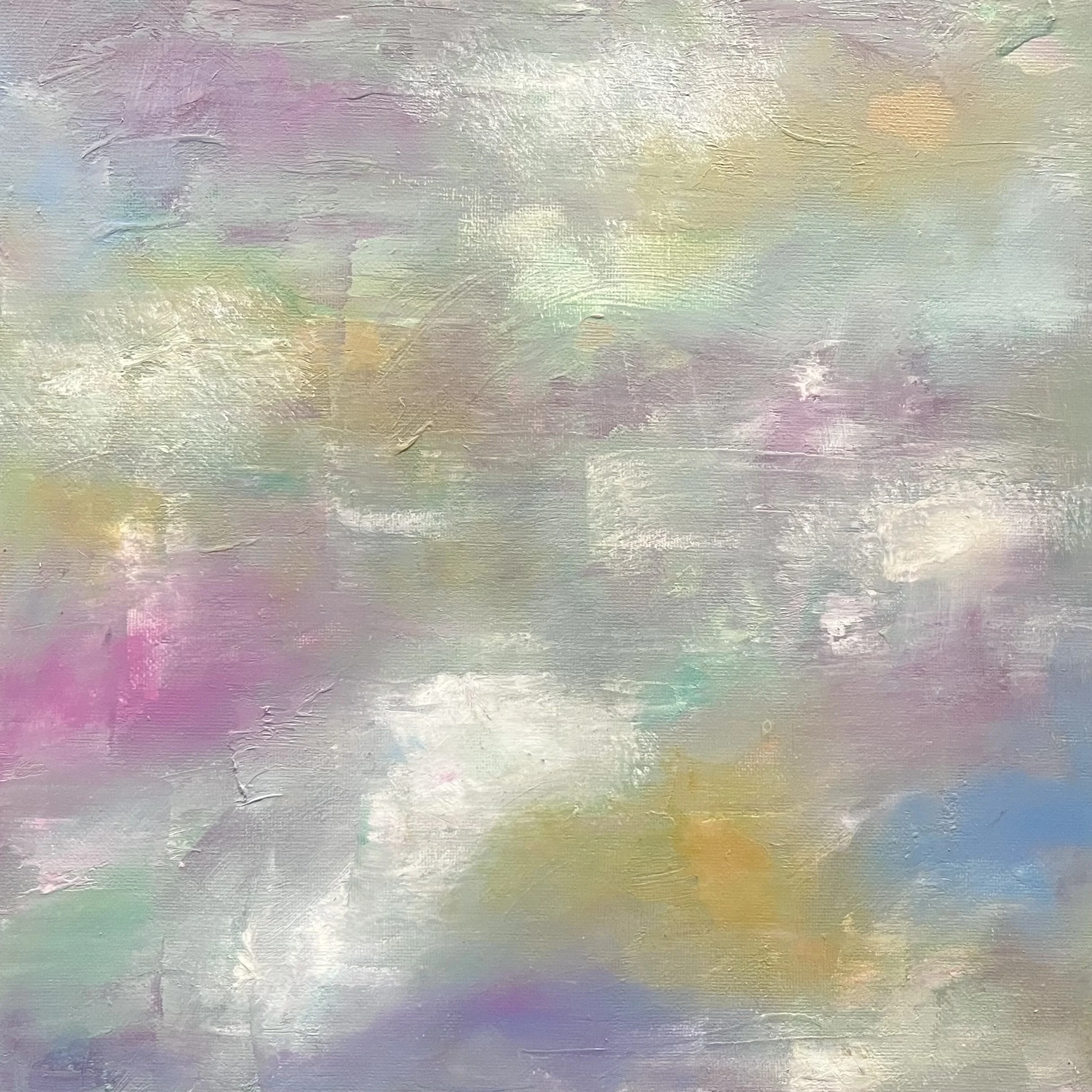
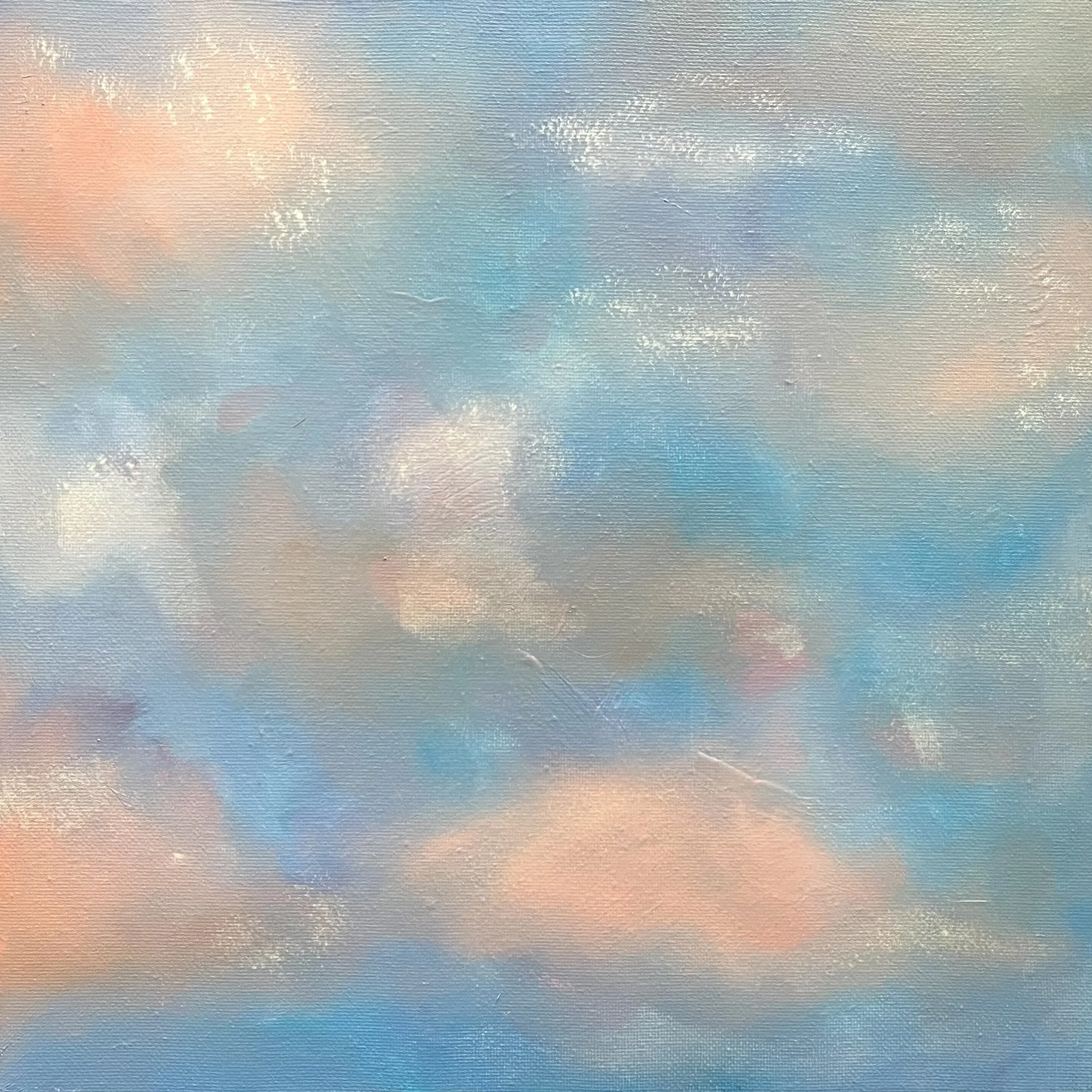
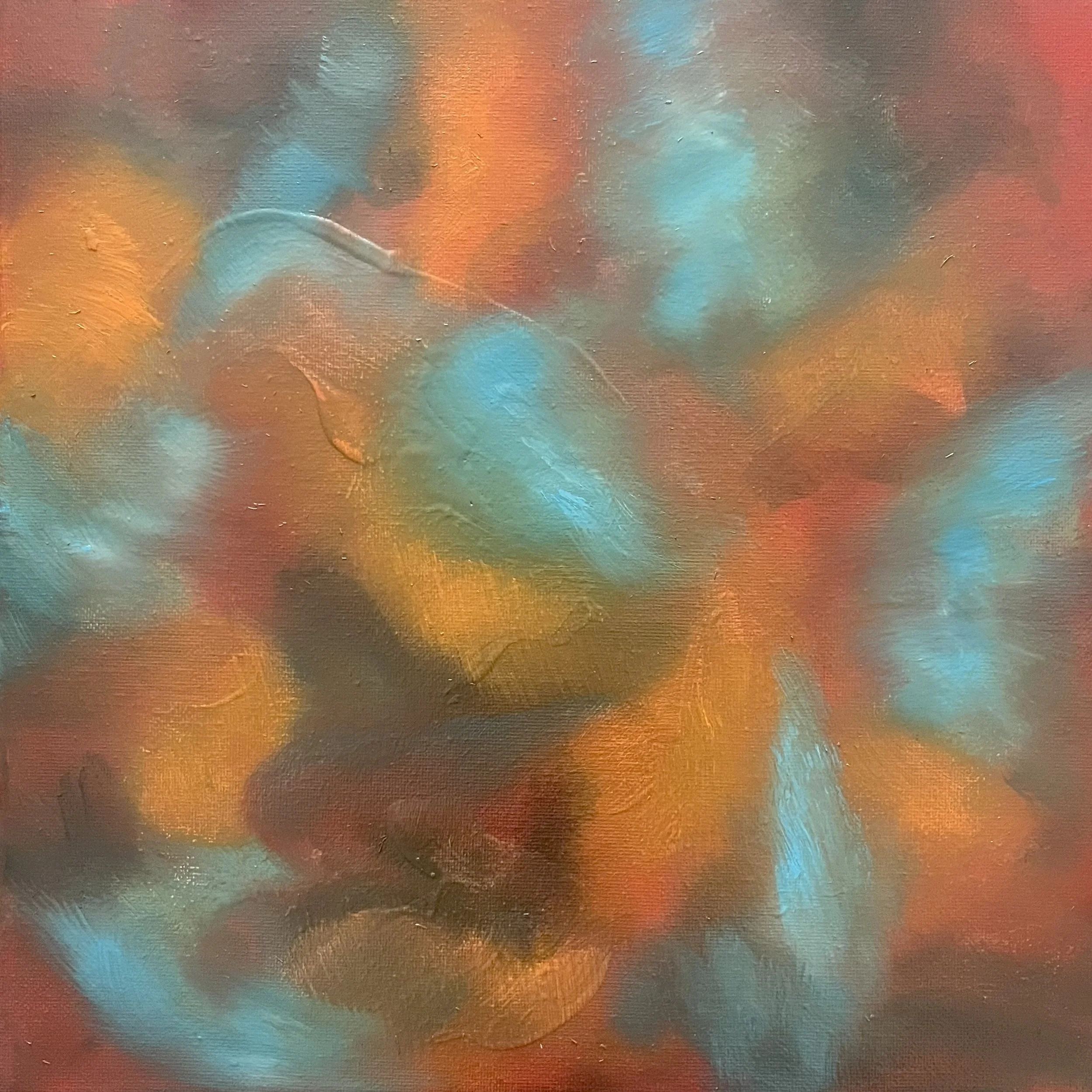
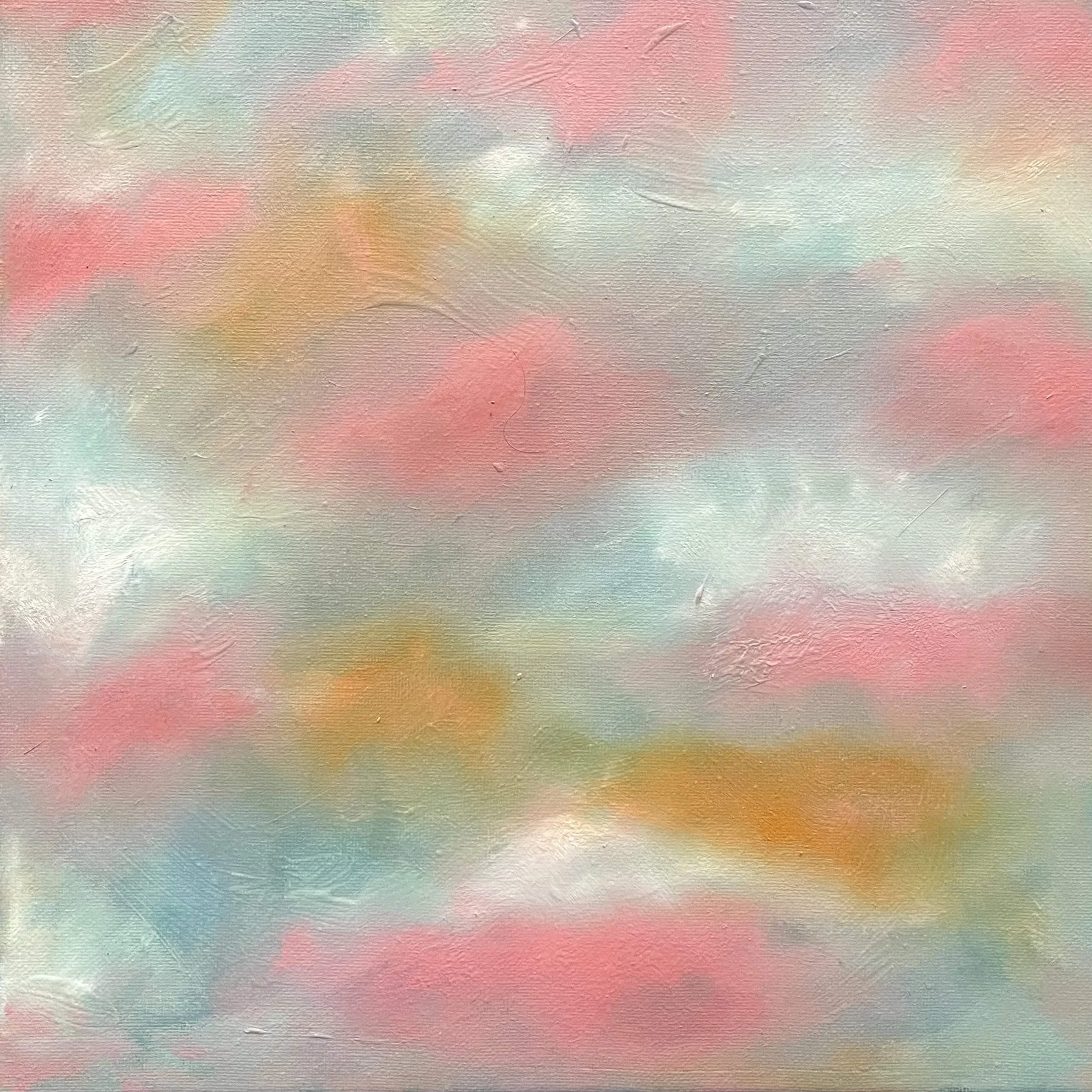
Below is a collection of oil paintings titled The Series of Five, painted by our founder, Alison Mackie. These paintings invite you to pause, reflect, and imagine. Like staring at clouds, see new shapes and connections, spark new ideas, and discover the missing piece in your founder’s journey.
If you have trouble visualising or closing your eyes to relax, feel free to use these paintings as your point of focus.
-
![Abstract watercolor painting with pastel shades of pink, yellow, green, blue, and white blending together.]()
Creativity
Emergence, play, possibility
-
![Abstract pastel-colored painting with soft brushstrokes and textured surface.]()
Finances/Abundance
Resources, safety, worth
-
![Abstract watercolor painting with soft pastel colors including pink, orange, blue, and green.]()
Relationships/Partnerships
Connection, reflection, belonging
-
![Abstract pastel-colored sky with soft clouds and light textures.]()
Alignment
Balance between heart and mind
-
![]()
Motivation
Movement, direction, desire